

How Banks Can Offer Financial Wellness Support Without Building Programs In-House
See how banks and credit unions offer confidential financial counseling through a nonprofit referral partner—no new in-house program required.
Manage Your Debt - Let's Explore Your Options
GET STARTED NOWIf you are struggling with debt, you have likely encountered several possible solutions — debt management plans, consolidation loans, and debt settlement programs. While these options may sound similar, they work in very different ways and can have very different consequences for your finances.
American Financial Solutions (AFS) is a nonprofit credit counseling agency. We do not lend money or negotiate to reduce the amount you owe. Instead, we help consumers repay their debts responsibly through structured debt management plans, education, and ongoing support.
One common source of confusion is that a debt management plan combines your monthly payments into one — but it does not consolidate your debt into a new loan. Understanding these distinctions can help you make an informed decision about your financial future.
A debt management plan (DMP) is a structured repayment program administered by a nonprofit credit counseling agency. It helps individuals pay off unsecured debts — such as credit cards, medical bills, and personal loans — in full over time.
With a debt management plan through American Financial Solutions:
• Multiple payments are combined into one monthly payment
• You pay AFS, and we distribute funds to your creditors
• We may request reduced interest rates and waived fees
• Accounts are brought current and structured for payoff
• Most plans are completed within three to five years
A key distinction is that a DMP consolidates your payments, not your debt. You are not taking out a new loan, and you repay what you owe under adjusted terms that are designed to be affordable.
Debt management plans focus on long-term financial stability and responsible repayment.
Debt consolidation typically involves taking out a new loan to pay off existing debts. After consolidation, you owe money to a new lender instead of multiple creditors.
Common consolidation methods include:
• Personal loans
• Home equity loans or lines of credit
• Balance transfer credit cards
Consolidation simplifies repayment but does not reduce the total amount owed. In some cases, the repayment period may be extended, increasing the total interest paid over time.
Approval usually depends on credit score, income, and debt-to-income ratio. For individuals already struggling financially, qualifying for favorable terms may be difficult.
Debt settlement is a process in which a company negotiates with creditors to accept less than the full balance owed. Consumers typically stop making payments to creditors and instead deposit funds into a dedicated account until enough accumulates to offer settlements.
While settlement may reduce the total amount repaid, it carries significant risks:
• Accounts become delinquent during the process
• Credit scores can drop substantially
• Collection activity and legal action may occur
• Forgiven debt may be considered taxable income
• Fees can be substantial
• Not all creditors agree to settlements
Debt settlement may be appropriate in severe financial hardship, but it can have long-lasting financial consequences.
Debt consolidation requires taking out a new loan. Debt settlement seeks to reduce balances through negotiation. A debt management plan focuses on repaying existing debt in full under improved terms.
Consolidation replaces multiple debts with one loan payment. Settlement often involves irregular payments while negotiations occur. A DMP provides one predictable monthly payment distributed to creditors.
Consolidation may help or hurt credit depending on usage and repayment. Settlement typically causes significant credit damage due to missed payments. A DMP emphasizes consistent repayment, which may support long-term credit recovery.
Consolidation loans may involve collateral, such as a home. Settlement carries risks of lawsuits and continued collection efforts. A DMP is structured to reduce financial strain while maintaining repayment.
Debt management plans include ongoing counseling, budgeting assistance, and education. Consolidation loans generally offer no ongoing guidance. Settlement companies focus primarily on negotiations.
American Financial Solutions is not a debt consolidation or debt settlement company. We will never ask you to take out a new loan or stop paying your creditors.
As a nonprofit organization, our mission is to help consumers achieve lasting financial stability through education and responsible repayment strategies. For many individuals, structured repayment combined with guidance and support provides a safer path out of debt than borrowing more money or attempting to settle balances.
Many people choose a debt management plan because it offers structure and clarity during a stressful time.
Potential benefits of a Debt Management Plan include:
• One affordable monthly payment
• Reduced interest rates and fees when approved by creditors
• A defined timeline to become debt-free
• Simplified budgeting and payment tracking
• Reduced collection pressure
• Access to financial education and tools
• Ongoing support from certified counselors
Having a clear plan can reduce anxiety and help restore confidence in your financial future.
Different solutions fit different situations.
Debt consolidation may work best for individuals with strong credit who can secure low-interest financing and manage repayment independently.
Debt settlement may be considered in cases of severe hardship when repayment in full is not feasible, though it carries substantial risks.
A debt management plan may be appropriate if you:
• Are struggling to keep up with multiple payments
• Face high interest rates or escalating balances
• Want to repay debt responsibly
• Cannot qualify for affordable consolidation loans
• Prefer structured guidance and support
A certified credit counselor can help you evaluate your circumstances and determine the most suitable path.
Before committing to any debt solution, it is important to understand all available options. During a confidential counseling session, a certified professional reviews your income, expenses, debts, and goals to develop a personalized action plan.
Not everyone needs to enroll in a debt management plan. Some individuals benefit from budgeting assistance alone, while others may be directed toward alternative solutions.
American Financial Solutions provides unbiased guidance focused on helping you make informed decisions for long-term success.
Resolving debt begins with understanding your options and choosing a path that supports your long-term well-being. Whether you pursue a debt management plan, consolidation, settlement, or another approach, informed decisions lead to better outcomes. Speaking with a certified credit counselor can help you determine the strategy that best fits your situation and goals.
American Financial Solutions is a nonprofit, 501(c)(3) credit counseling agency dedicated to helping consumers regain control of their finances through education, support, and responsible solutions.
Browse our recent blog articles and you will see and learn about the various ways AFS can help you, as well as educate yourself.
See how banks and credit unions offer confidential financial counseling through a nonprofit referral partner—no new in-house program required.
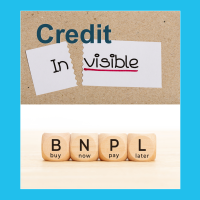
Learn how Buy Now, Pay Later (BNPL) is shaping the future of credit scoring, while exploring common misconceptions about credit reports, credit scores, and lending decisions.

Debt settlement programs may promise lower payments, but the details matter. Learn about common tradeoffs, fees, credit impacts, and questions to ask before enrolling.

Living paycheck to paycheck is often a cash-flow timing problem, not a failure. Learn why it happens and how better timing can reduce stress.
Call us at (888) 864-8548
and your counselor will review your credit report, analyze your financial situation and help you find the option that's best for you.