
Manage Your Debt - Let's Explore Your Options
GET STARTED NOWFrom Invisible to Visible: What BNPL Reveals About Modern Credit Scoring
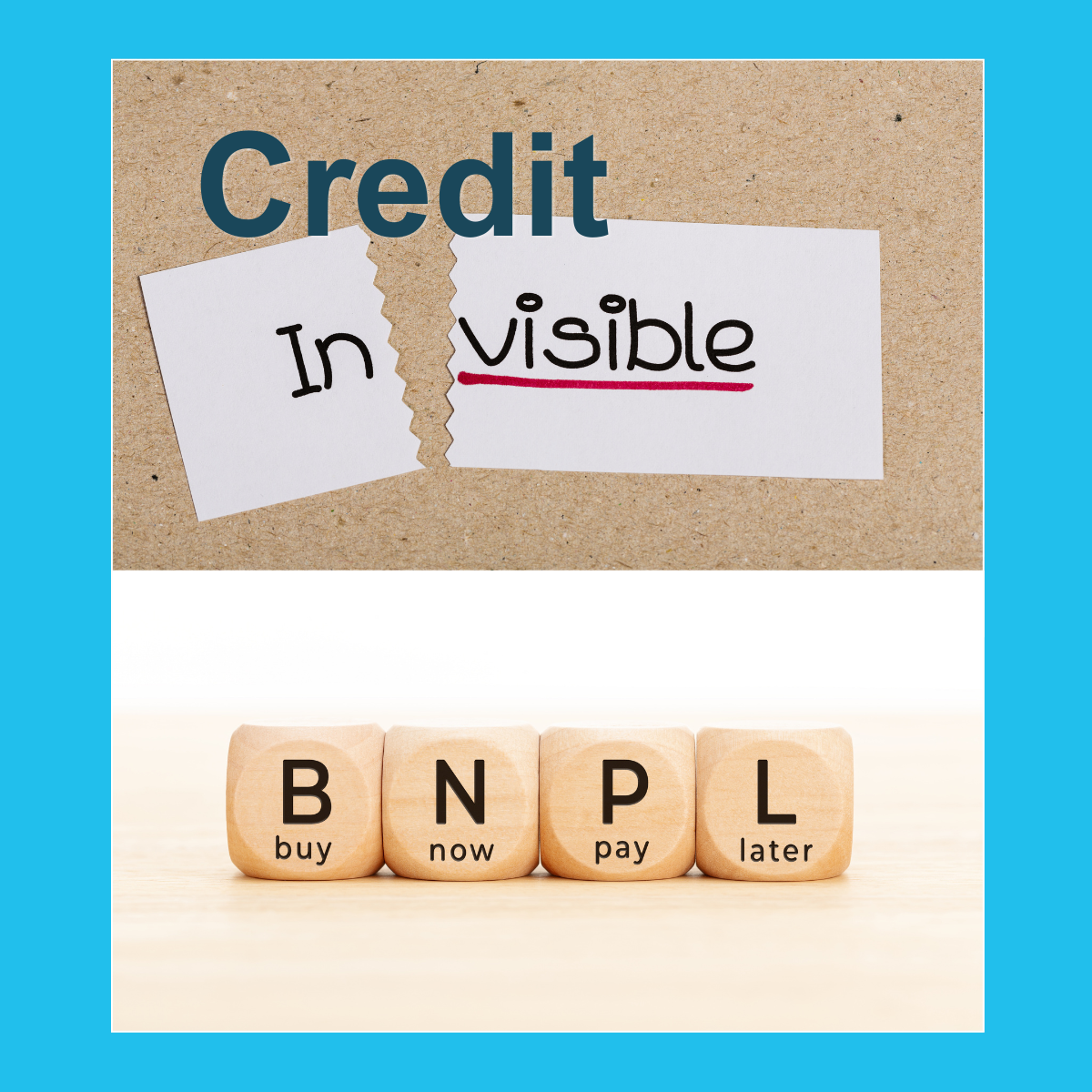
From Invisible to Visible: What BNPL Reveals About Modern Credit Scoring
Many people think they have one credit score. They don't.
They have a credit report and potentially dozens of different credit scores that can be generated from that report.
That's because a credit score isn't a piece of information stored somewhere in a file. It's a calculation applied to the data in your credit report. Change the scoring model, and you can get a different score – even though the underlying report hasn't changed.
As Buy Now, Pay Later (BNPL) borrowing becomes more common, credit scoring companies are beginning to consider how this type of borrowing fits into future scoring models. Part of the reason is that BNPL has often existed as a form of debt that isn’t visible through traditional credit reporting.
With concerns growing about consumers taking on multiple BNPL obligations, industry observers are increasingly debating whether this borrowing should play a larger role in credit reporting and credit scoring. Matt Sexton (2026) notes that some lenders worry BNPL obligations may not be fully reflected in traditional methods of assessing consumer debt. That debate highlights a broader reality: credit scoring systems evolve when the way people borrow changes.
That raises an interesting question:
What happens when forms of borrowing that once seemed invisible become part of a consumer's financial profile?
Common Credit Score Misconceptions
Before understanding why BNPL matters, it helps to clear up a few misconceptions about credit scores.
Misconception #1: There Is One Official Credit Score
Many consumers are surprised to learn there is no single credit score that every lender uses.
There are multiple scoring companies, multiple versions of scoring models, and different scores designed for different lending purposes. A mortgage lender may use one model. An auto lender may use another. A credit card company may use something different altogether.
That explains why the score you see through your bank or a free credit monitoring service may not match the one a lender sees.
The differences don't necessarily mean one score is wrong. They simply reflect different methods of analyzing the same credit data.
Misconception #2: A Credit Report and Credit Score Are the Same Thing
Your credit report and your credit score are related, but they are not the same product.
A credit report is a collection of information about your borrowing history, including:
- Open and closed accounts
- Payment history
- Credit limits and balances
- Collections and public records
- Recent credit inquiries
A credit score is created when a scoring model analyzes that information and assigns a numerical value intended to predict credit risk.
Think of it this way:
The credit report is the raw data. The credit score is the interpretation of that data.
Credit Scores Don't Make Lending Decisions
This is another point that often gets overlooked.
A credit score is just one factor that may be considered during a lending decision.
Lenders frequently review:
- Income
- Employment stability
- Assets and savings
- Debt-to-income ratio (how much debt is owed in relation to income)
- Cash reserves
- Down payment amount
- Existing debt obligations
In other words, a credit score helps tell part of the story. It rarely tells the entire story.
Transition to BNPL
And that brings us to Buy Now, Pay Later.
For years, BNPL occupied a gray area in consumer credit. Millions of people used services such as Affirm, Klarna, Afterpay, and PayPal Pay Later, yet much of that activity was not consistently reflected in traditional credit reports.
Some observers began referring to obligations like these as "shadow debt" – real debt that could affect a consumer's finances without always appearing in the data lenders used to evaluate risk.
As BNPL usage expanded, questions emerged:
- Should lenders be able to see this borrowing?
- Does BNPL provide useful information about repayment behavior?
- If consumers are managing several installment payments at once, should that be reflected in credit scoring models?
The industry is now beginning to answer those questions.
From Shadow Debt to Credit Data
Credit scoring systems have never been static. Over time, scoring companies adjust their models as consumer behavior changes and new forms of borrowing emerge.
BNPL may be the latest example.
But BNPL's importance isn't really about Buy Now, Pay Later itself. It's about what it represents. Scoring models have always evolved to reflect changes in the way people borrow and manage debt. As FICO recently discussed in its article, Modernizing Credit Scoring in the BNPL Era, the challenge is ensuring that scoring systems continue to provide an accurate picture of financial risk as new forms of borrowing emerge.
For consumers, the takeaway is simple: your credit score isn't a fixed number. It's a calculation based on the information available at a particular moment in time. As the information captured by credit reporting systems changes, the scores generated from that information may change as well.
Today's conversation is about BNPL. Tomorrow it might be another form of borrowing that doesn't yet fit neatly into traditional credit reporting. The larger lesson is that credit scoring continues to evolve alongside consumer behavior.
Understanding the difference between a credit report and a credit score can be confusing – especially as new forms of borrowing continue to evolve. If you'd like help reviewing your credit report or developing a plan to improve your overall financial health, American Financial Solutions offers free counseling services to help you move forward with confidence.
Published Jul 28, 2026.